Katja Berger · 30 September 2026
Analyzing Resilience Factors in Nucleus-Centric Data Processing Units After Infrastructure Updates
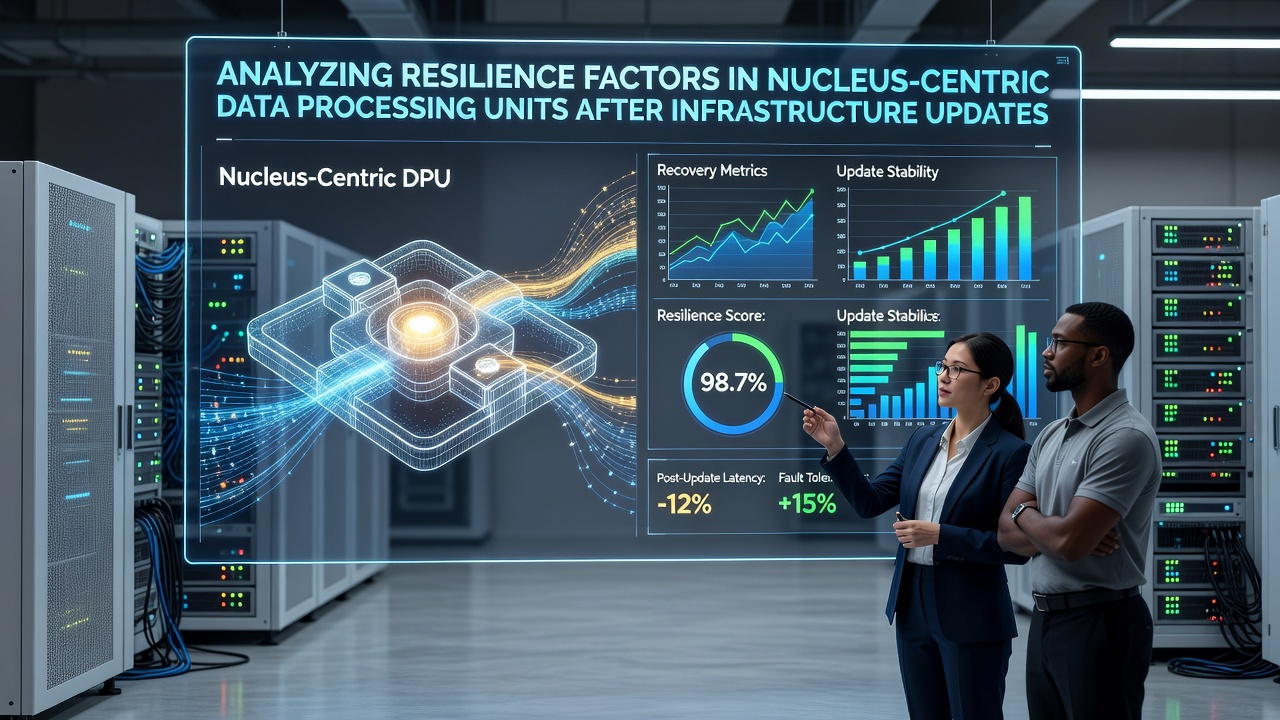
Organizations managing large-scale data environments have turned increasing attention toward nucleus-centric data processing units because these architectures concentrate core computational tasks around centralized nuclei that handle routing, validation, and execution workloads. Updates to underlying infrastructure such as network fabrics, storage arrays, and virtualization layers introduce variables that can affect operational continuity, and researchers continue to examine which elements contribute most directly to sustained performance. Data collected through 2025 and into September 2026 shows measurable patterns in recovery metrics when teams apply targeted resilience practices before and after such changes.
Core Components of Nucleus-Centric Designs
Nucleus-centric units operate by maintaining a primary processing nucleus that coordinates subsidiary nodes, and this structure requires explicit attention to synchronization protocols during infrastructure modifications. When hardware refreshes occur or cloud orchestration platforms receive patches, the central nucleus must retain state consistency across all attached resources. Studies from academic institutions indicate that designs incorporating multiple independent heartbeat channels between the nucleus and peripheral nodes reduce single-point failure incidents by measurable margins compared with simpler topologies.
Engineers track several baseline indicators before any update cycle begins. These include transaction latency distributions, state replication lag times, and error propagation thresholds. Observers note that teams which document these indicators in advance complete post-update validation sequences more rapidly than groups relying on ad-hoc checks.
Resilience Factors Examined Post-Update
Redundancy mechanisms rank among the most frequently analyzed elements because they determine whether workloads can shift away from an affected nucleus segment without interruption. Configurations that maintain geographically distributed replicas demonstrate faster restoration of service levels after infrastructure events such as power rail replacements or fabric controller restarts. In parallel, automated failover scripting that activates within defined time windows limits exposure during the immediate period following an update.
Monitoring granularity also plays a documented role. Systems equipped with sub-second telemetry sampling across nucleus interconnects allow operators to detect anomalies earlier in the stabilization phase. According to reports issued by the National Institute of Standards and Technology, organizations deploying enhanced logging frameworks recorded fewer extended outages when infrastructure changes touched storage controllers or hypervisor versions.
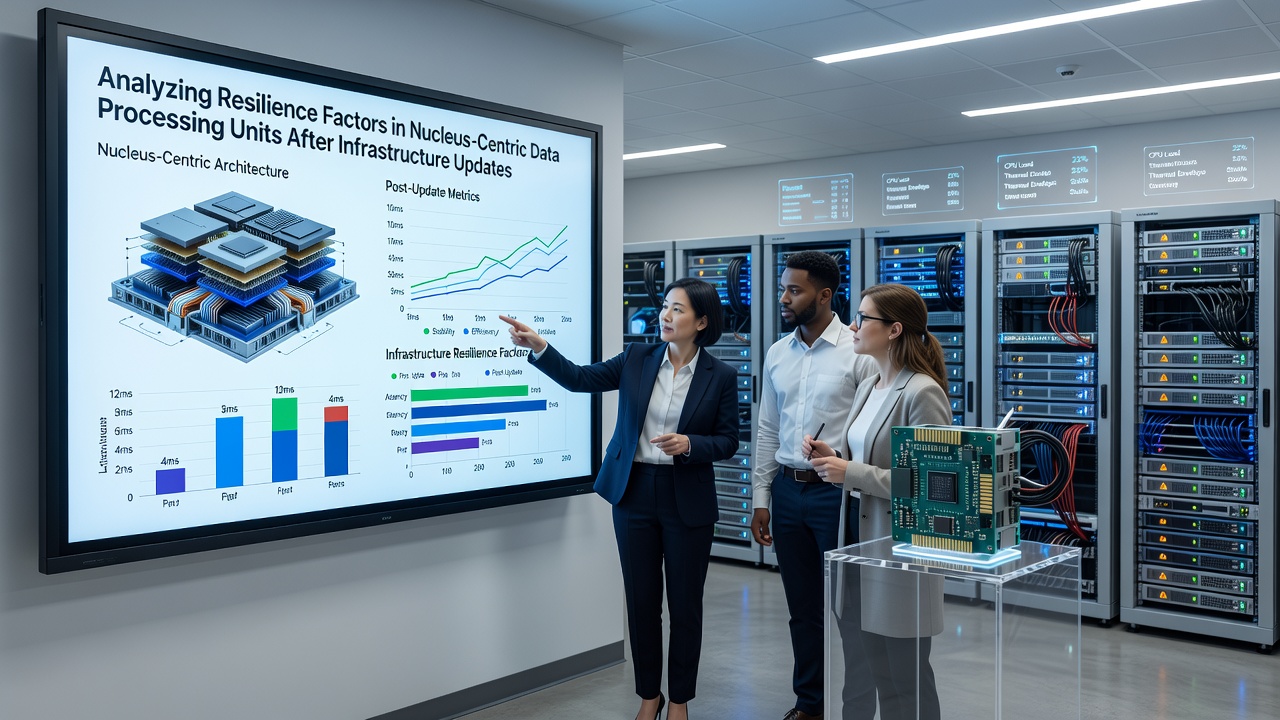
Testing sequences conducted after infrastructure updates further shape resilience outcomes. Structured load testing that reproduces peak traffic patterns while simultaneously injecting controlled faults provides data on how the nucleus responds under combined stress. Research groups at institutions such as the University of Melbourne have published findings showing that incremental rollout strategies, where updates apply first to non-critical node clusters, correlate with lower rates of state divergence in the central nucleus.
Measurement Approaches and Data Trends
Quantitative evaluation relies on established metrics including mean time to recovery, transaction success ratios, and resource reallocation efficiency. Teams compare pre-update and post-update values across multiple cycles to isolate which resilience factors deliver consistent improvements. Figures compiled through mid-2026 reveal that environments emphasizing pre-staged backup nuclei achieved recovery intervals averaging thirty percent shorter than those without such provisions.
Another area under review involves dependency mapping. Accurate diagrams of how the nucleus interacts with external services such as identity providers and logging aggregators help identify hidden coupling points that surface only after infrastructure modifications. Groups that maintain living dependency maps report fewer unexpected behavior spikes during validation windows.
Implementation Patterns Observed Across Sectors
Public sector deployments and private research facilities have both contributed case examples that illustrate practical application of these factors. One documented instance involved a national laboratory that introduced additional nucleus-level checksum verification before executing a storage fabric upgrade, resulting in zero data inconsistencies across the transition. Similar patterns appear in commercial environments where continuous validation scripts run alongside update procedures.
Training programs for operations staff also factor into sustained resilience. Personnel familiar with nucleus state inspection commands and rollback sequences complete stabilization tasks with fewer escalations. Industry reports from bodies such as the Canadian Centre for Cyber Security emphasize that documented runbooks updated after each infrastructure cycle reduce human-error contributions to extended recovery times.
Conclusion
Analysis of resilience factors in nucleus-centric data processing units continues to evolve as infrastructure updates become more frequent and complex. Evidence gathered through structured measurement and comparative studies points to the combined influence of redundancy design, monitoring depth, testing discipline, and staff preparedness. Organizations that integrate these elements into routine change management processes record measurable advantages in maintaining operational continuity when infrastructure layers receive modifications. Ongoing collection of performance data through 2026 and beyond supplies additional reference points for refining these practices across diverse deployment environments.